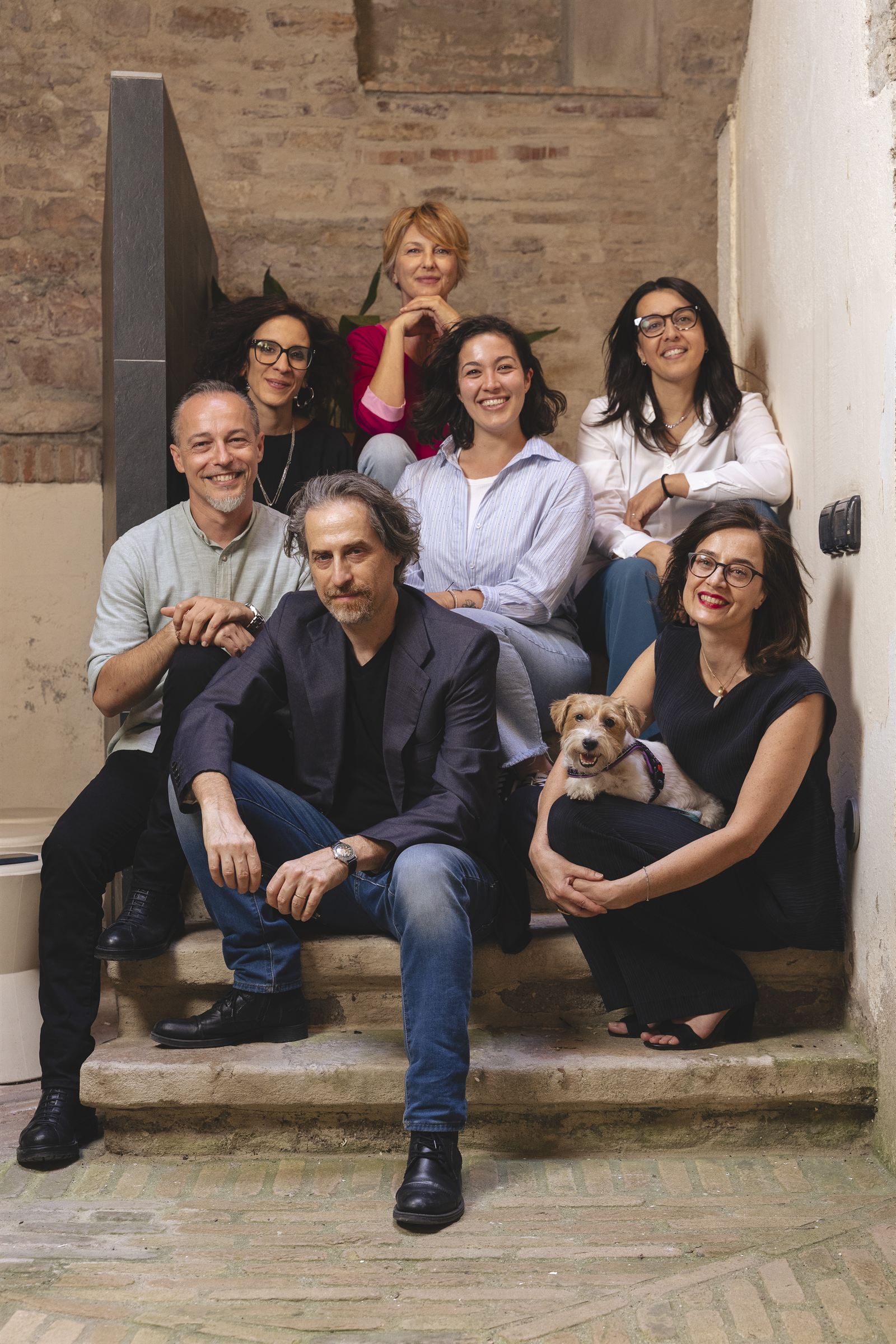
Our team
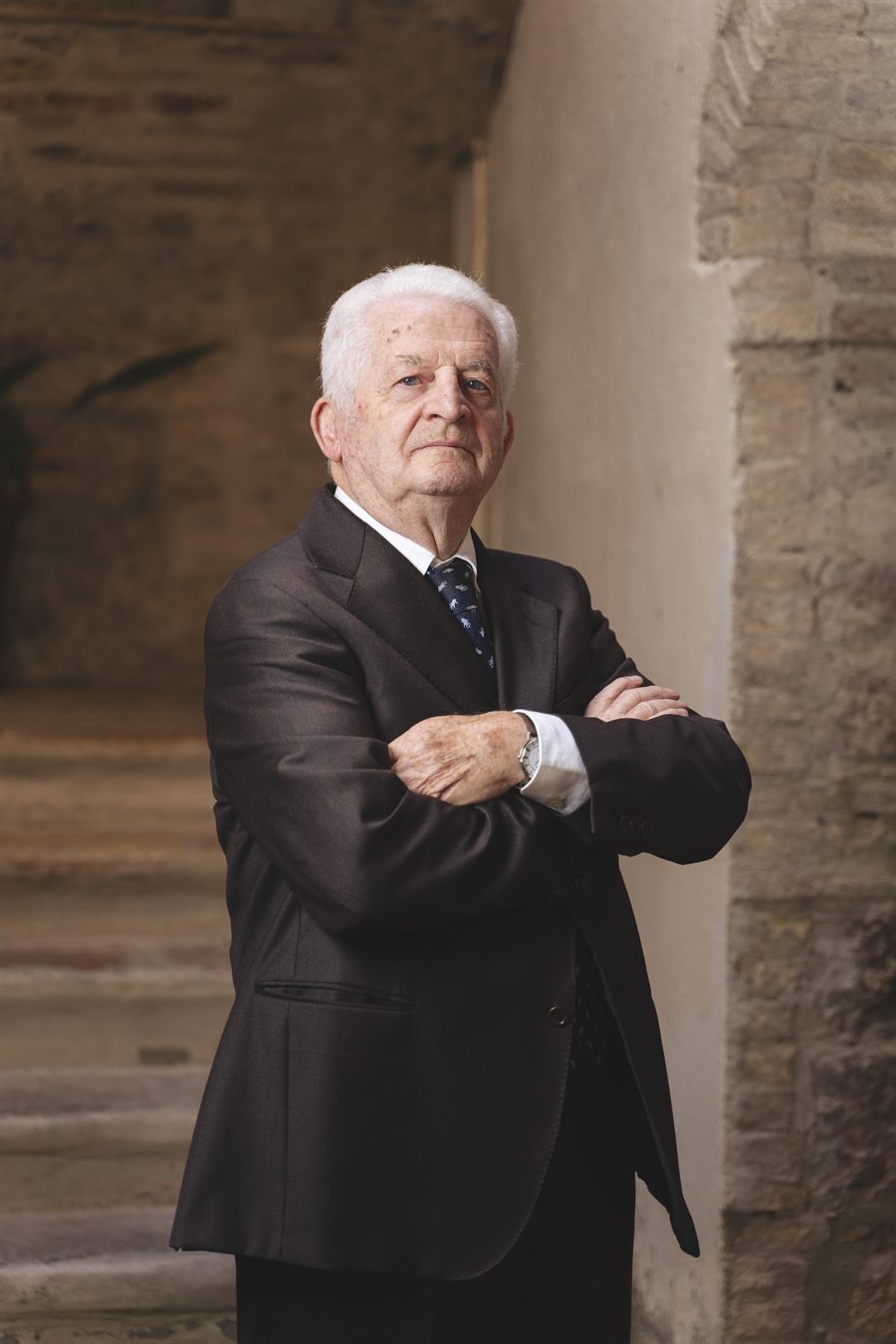
Angelo Chiuchiù
Founder
Biography+
Previously a professor at the Università per Stranieri in Perugia from 1975 to 1994, has taught classes and held seminars, in Perugia, in second language methodology, set up by the Ministry of Education and Ministry of Foreign Affairs, in both in-service programs and refresher courses. He has delivered pedagogical lectures on Italian as a second language all over the world: USA, Canada, Brazil, Peru, Mexico, Argentina, Uruguay, Venezuela, Hong-Kong, Singapore, Germany, Austria, ex-Yugoslavia, Greece, Hungary, Russia, Malta, Tunisia, Albania, Spain, Portugal, France, Finland, Great Britain.
He has published articles on methodology and is author of numerous works: In italiano, a multimedia course (text, audio, handbooks in English, German, Spanish, Portuguese, Greek, Russian, Rumanian, Hungarian, Polish, Korean, Chinese); the new Italiano in; Viva l’italiano, a multimedia course for children (four books, video), Le preposizioni, I verbi italiani, L’italiano al laboratorio linguistico, Et cetera, Quaderni d’italiano, Ambienti. He is consultant for the video courses In italiano e Viva l’italiano produced by the Italian Television (RAI) under the auspices of the Council of Ministers of Italy. He is author of Comunicare in italiano (Hoepli), In italiano. Il corso 1,2,3 (Hoepli)
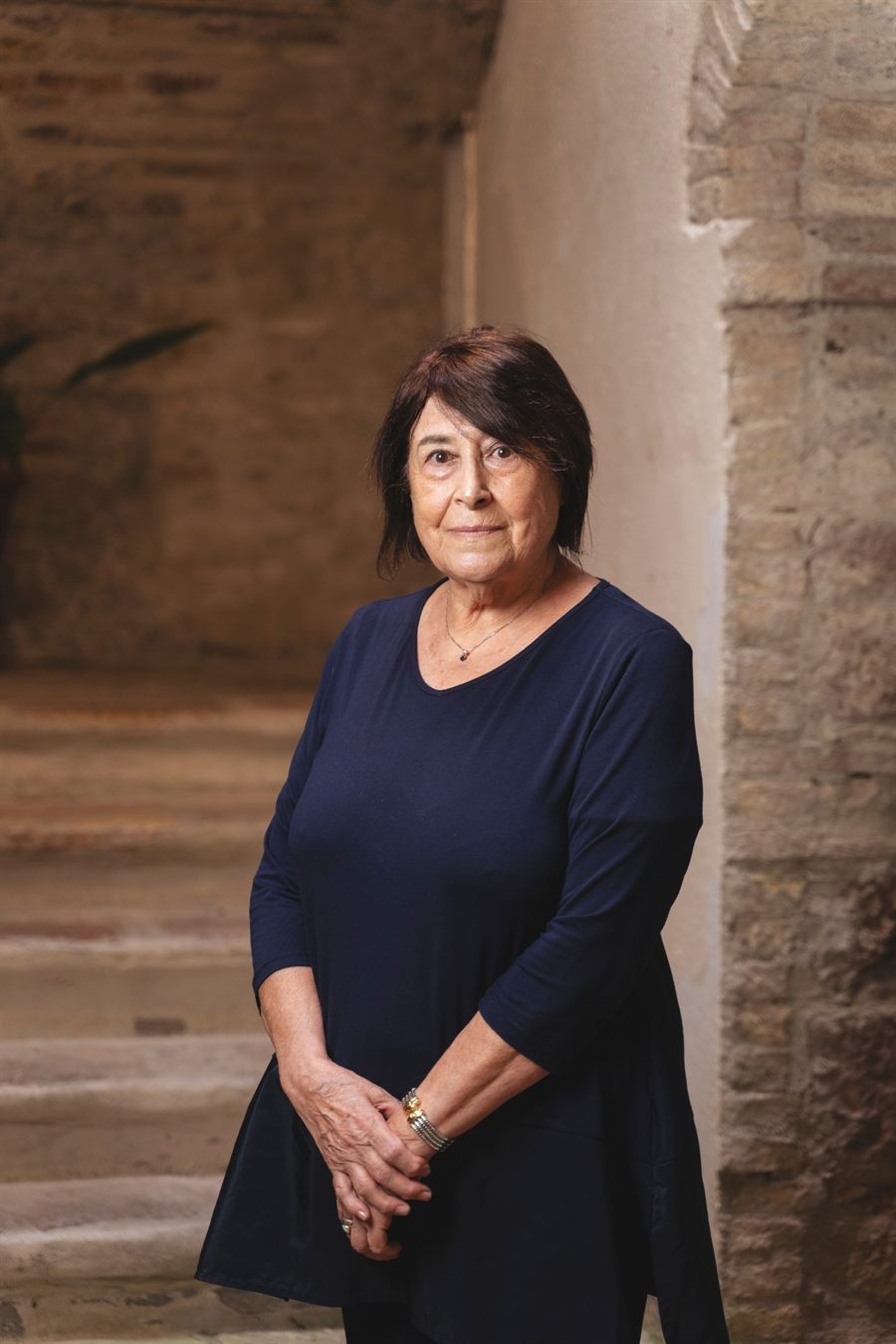
Maria Grazia Caproni
Founder
Biography+
Biography coming soon.
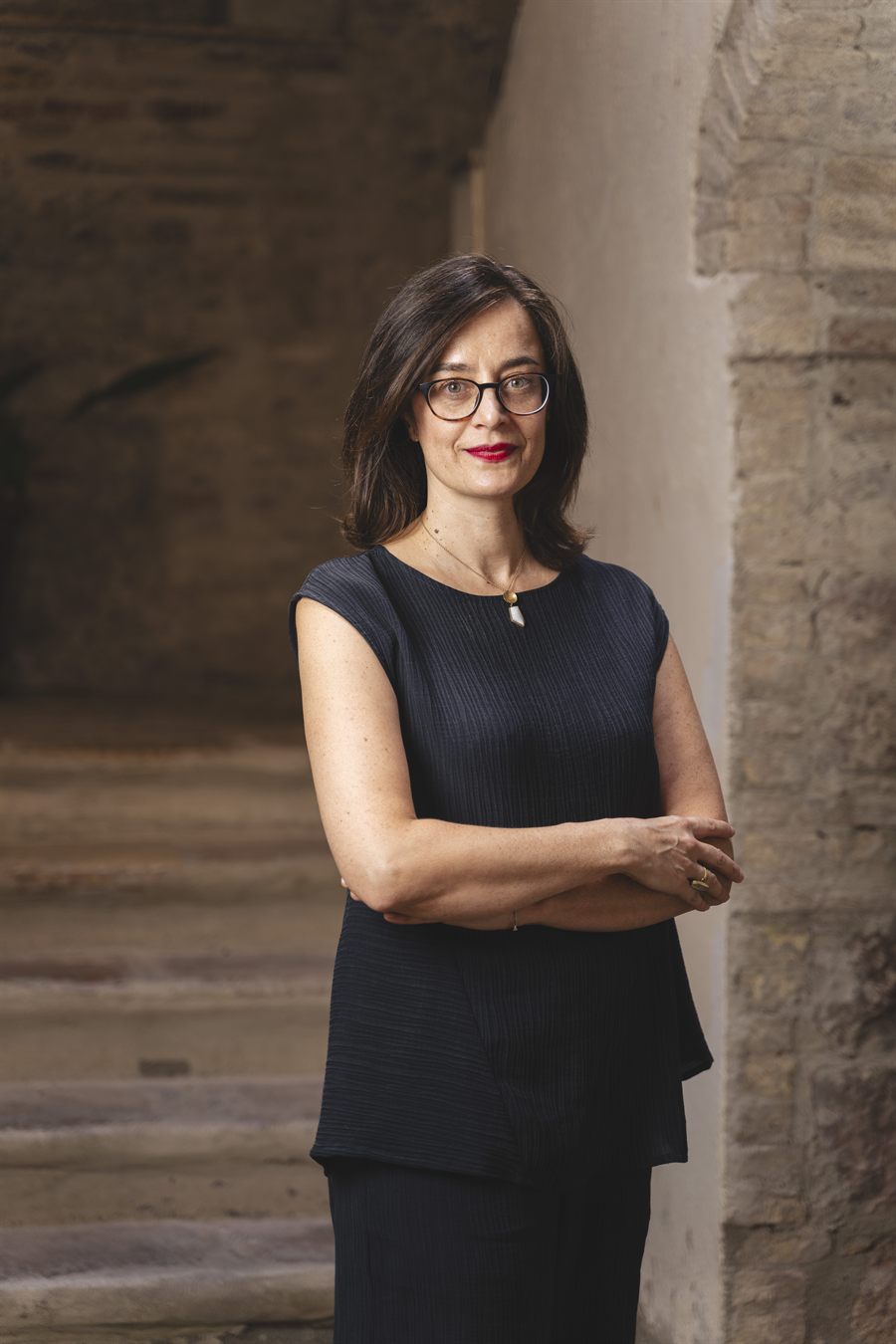
Gaia Chiuchiù
Director of Studies: research, methodology and course design
Biography+
Gaia Chiuchiù received her MA in Linguistics in 1999 from the Università degli Studi di Perugia. Her experimental thesis contributed to the research for the first Italian draft of the European Language Portfolio, a project promoted by the Council of Europe that took place in Umbria from 1996 to 1999. In 2021 she earned her PhD in Second Language Acquisition from the University of Portsmouth (UK) with a study on the effects of structured input and input enhancement in the acquisition of the Italian subjunctive. Her primary research interest lies in the relationship between experimental research in Second Language Acquisition (SLA) and L2 teaching.
At present she is responsible for the activities of research, experimentation and programming of the courses for the Accademia Lingua Italiana Assisi. She is the coordinator for the Accademia of Italian language and culture courses and of English language and culture courses. She published the series Arte e Metodo (Guerra Edizioni). She is author of Comunicare in italiano (Hoepli), In italiano. Il corso 1,2,3 (Hoepli) and Yidali, the first Italian language course for iPad (goWare).
In 2004 she taught Italian language and culture courses at the University of California at Santa Clara. From 2005 to 2009 she taught seminars in applied linguistics in Malta, Hungary, Poland, Greece, Sweden, Argentina, Uruguay, Croatia, Slovenia, Germany, Belgium, China, Spain, and Norway.
From 2000 to 2005 she translated into Italian texts of the American poet Murray Bodo, Icarus in Assisi (Minerva Edizioni), and the works of Albert Camus: L’artiste en prison (Davar I/2003), René Char (Davar II/2005), Metafisica cristiana e neoplatonismo (Diabasis, 2004), La devozione alla croce (Diabasis, 2005).
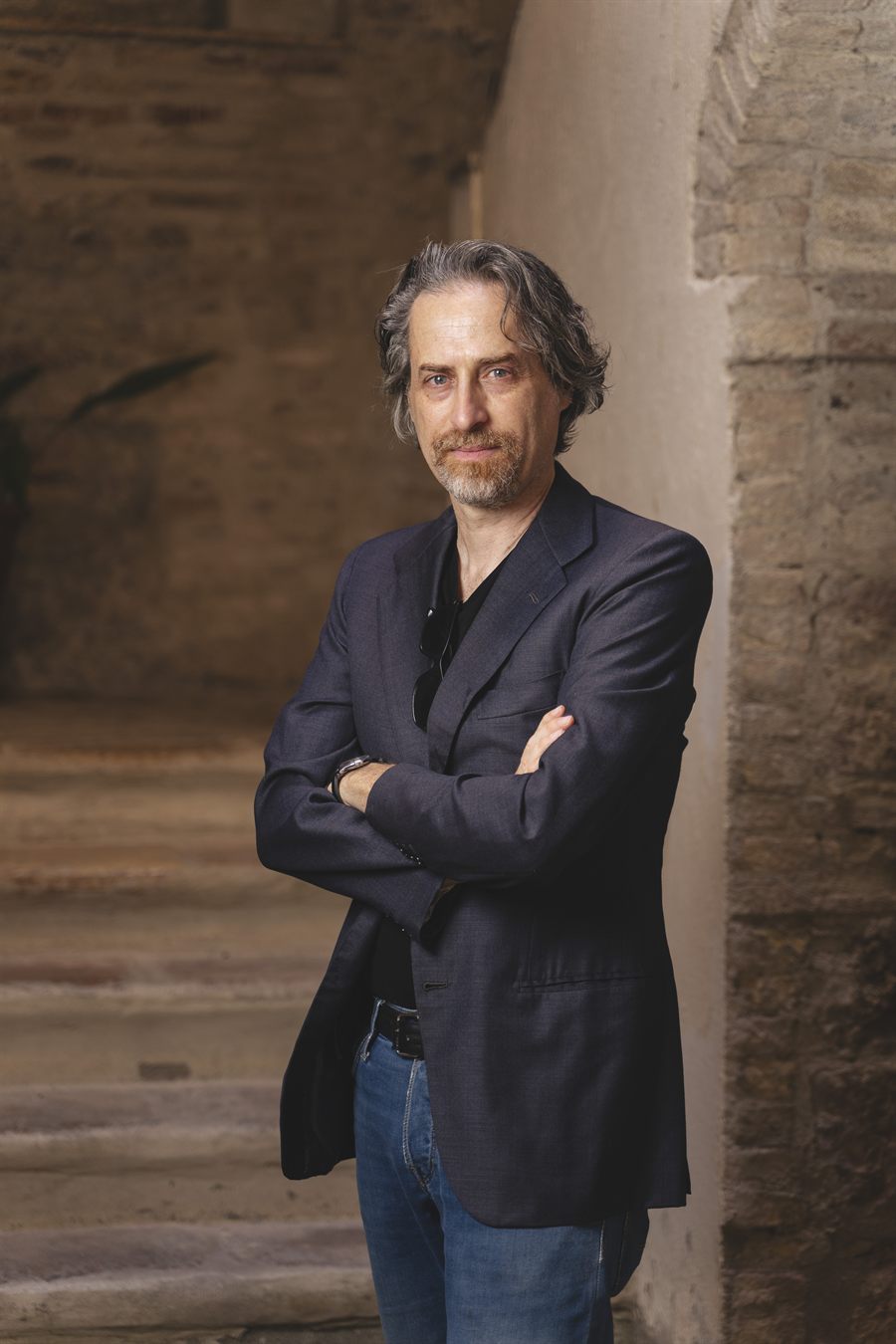
Lorenzo Chiuchiù
Teacher of philosophical and theological Italian, Director of Creative Writing Courses
Biography+
graduated in Aesthetics at the University of Florence under the supervision of Anna Giannatiempo Quinzio and Sergio Givone. He received a Ph.D in Philosophy and Sciences of the Text at the University of Siena.
He edited into Italian Métaphysique chrétienne et Néoplatonisme (Gallimard) and La dévotion à la Croix (Gallimard) by Albert Camus. He edited and translated into Italian Mallarmé, la lucidité et sa face d’ombre by Jean-Paul Sartre (Gallimard).
He published the collection of essays Atleti del fuoco (Mimesis). He published the books of poetry: Iride incendio (La Vita Felice), Sorteggio (Marietti 1820), Le parti del grido (Effigie). With Filippo Timi wrote the pièce Archivio degli universi possibili. He wrote the roman Esecuzione dell’ultimo giorno (Aguaplano). He published Res mystica, a study on Giorgio Colli (“Estetica. Studi e ricerche”, il Mulino, 2022).
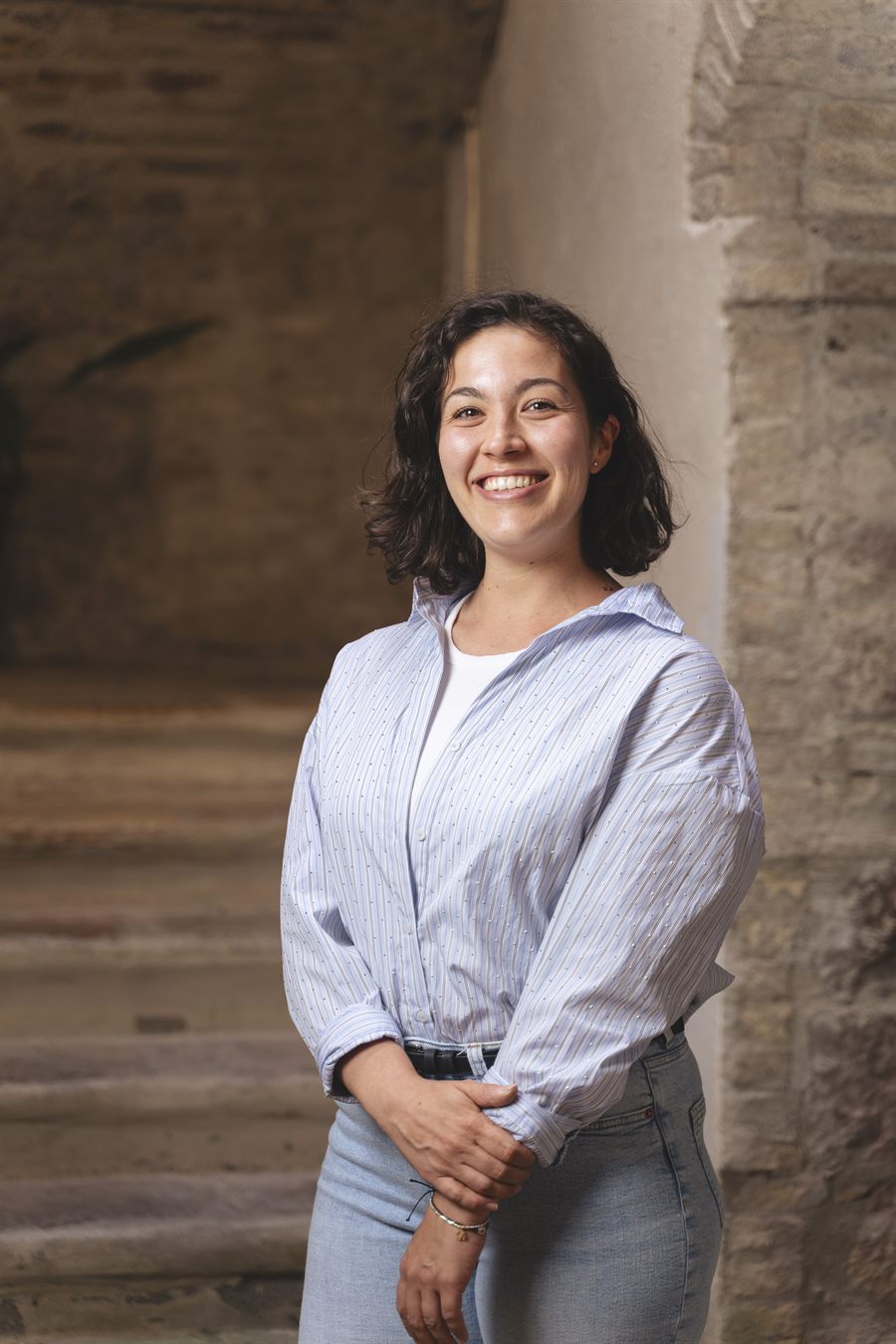
Michela Falcinelli
Teacher of Italian
Biography+
Biography coming soon.
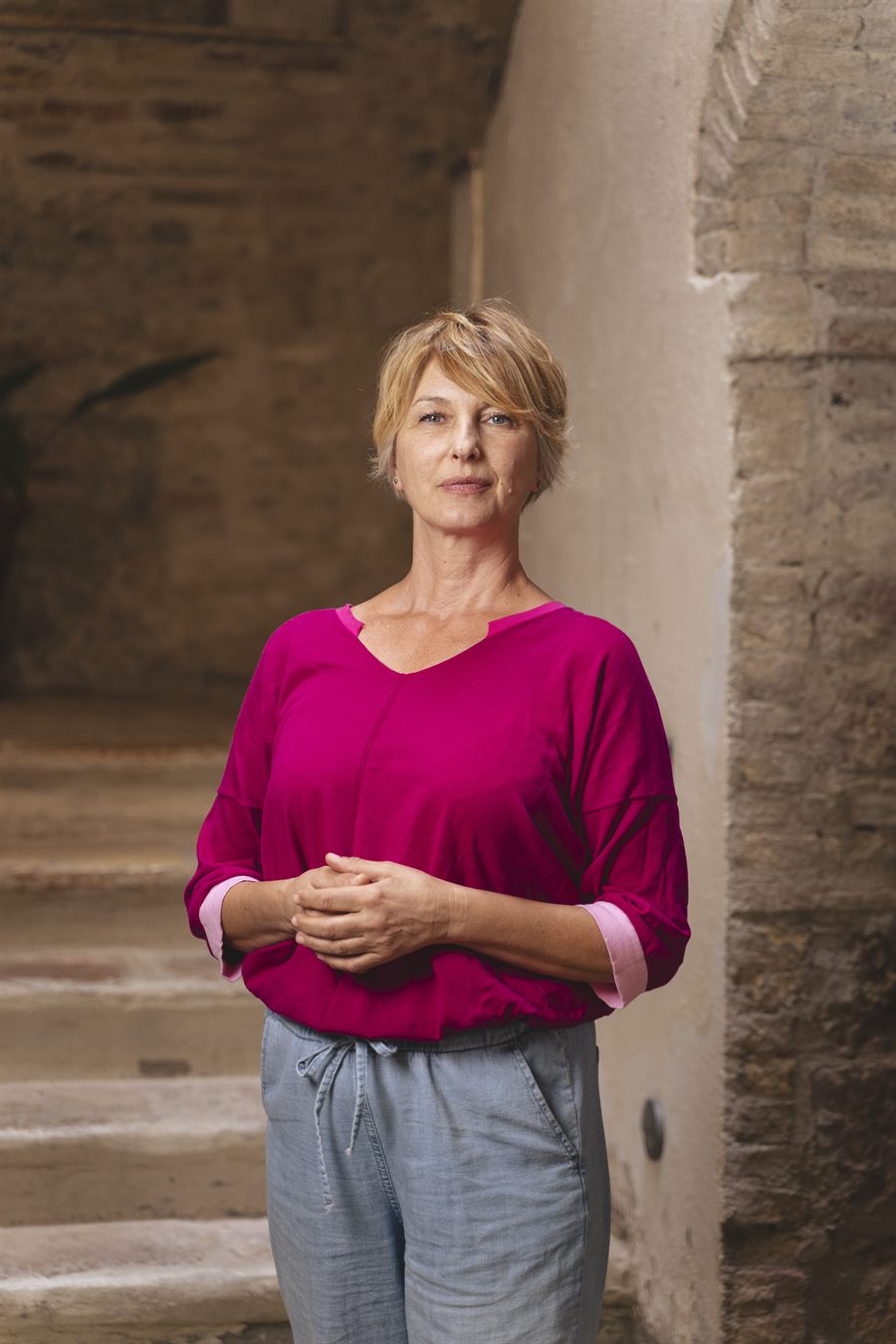
Emanuela Faraglia
Pronunciation teacher
Biography+
She graduated as an actress in 1995 from the Centro Universitario Teatrale in Perugia, and went on to train in voice production techniques.
She works as a voice-over artist and dubbing actress (Cosmo, Le intervistone, TED Talks, multimedia products for Mondadori, Paravia, Zanichelli and D’Anna with SVR Studio). She has worked for Rai (Unomattina, Verdetto finale, La terza verità, Don Matteo, Al posto tuo) and Mediaset (Carabinieri, Sei forte maestro).
After several independent theatre productions, she began working as an actress with the Teatro Stabile di Parma and the Teatro Stabile di Torino. She also works as a performer in art exhibitions, installations and museums.
She has worked in Umbria since 1995 with companies of the national circuit, as an actress and as a trainer in workshops for schools, the public and social projects.
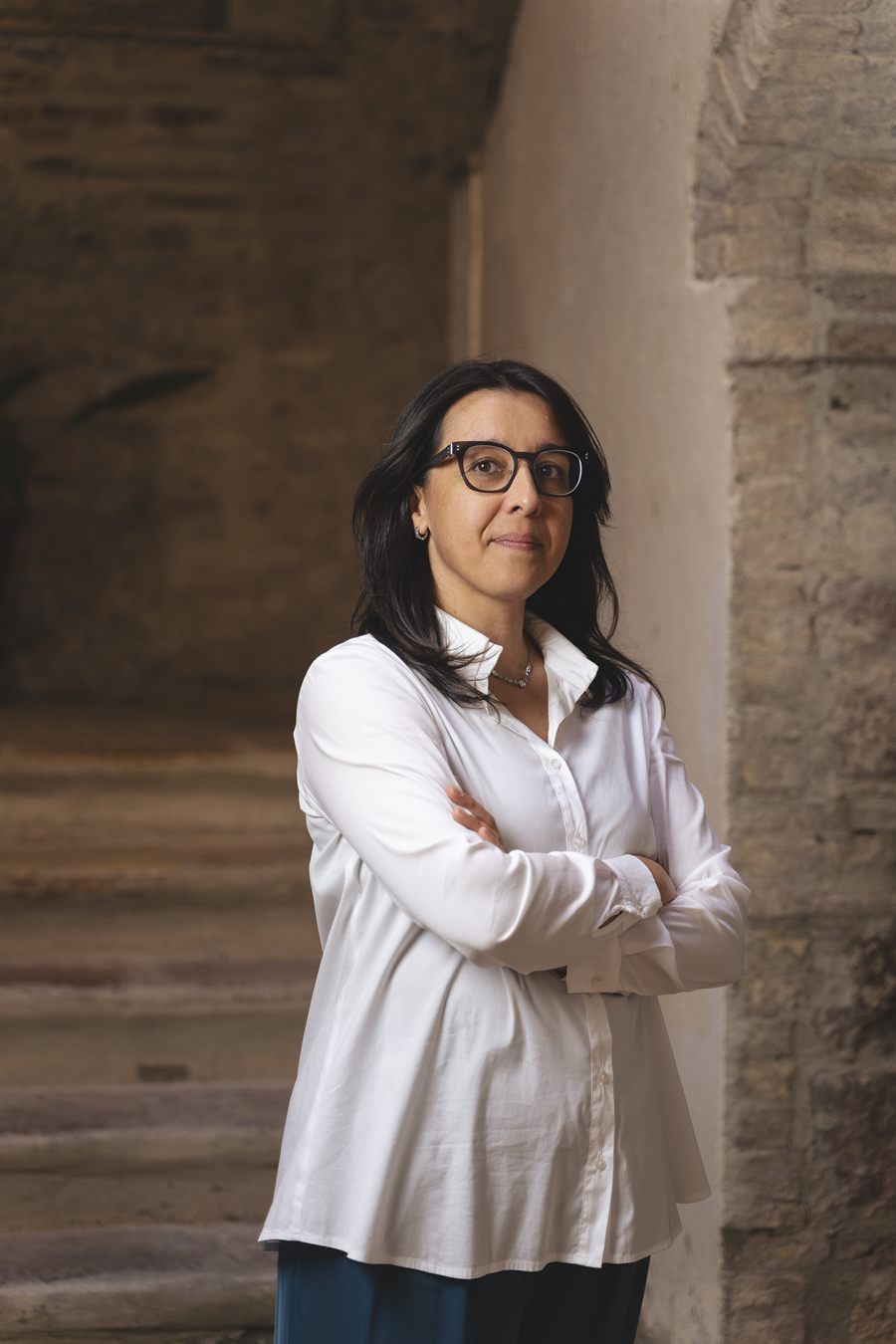
Silvia Nardinocchi
Teacher of Italian
Biography+
She graduated in Modern Languages and Literatures (linguistics and computing) from the University of Perugia. She lived in Spain for some years, where she furthered her study of Spanish and did research at the University of Santiago de Compostela.
She worked as a substitute teacher of Spanish in primary and secondary schools. In this role she also accompanied students to Spain for the Leonardo project, coordinated by the European Community, for learning Spanish.
She teaches Italian and Spanish and coordinates the Italian language courses and the certification exam preparation courses at the Accademia Lingua Italiana Assisi. She is a translator and Spanish language consultant for several companies, an examiner and interviewer for the PLIDA certification, and an interviewer for the Roma Tre and CILS certifications.
Digital teaching materials
Yidali 1-7 (goWare, Florence 2015)
.it 1-7 in Chinese, English, Arabic, Russian, Korean, German, Vietnamese (goWare, Florence 2015)
Self-correcting digital teaching materials on the Moodle platform for the Accademia Lingua Italiana Assisi
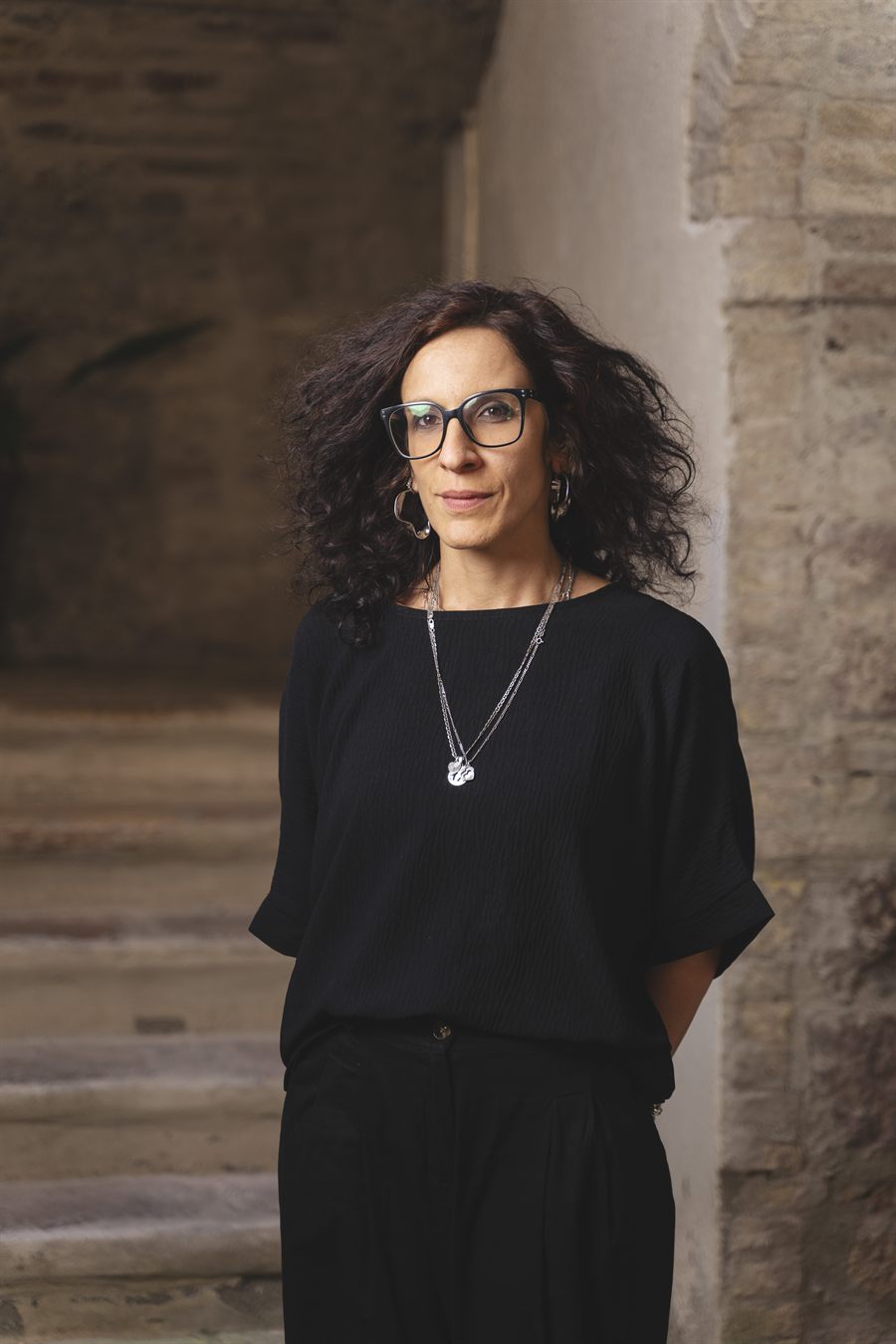
Maria Paciotti
Teacher of Italian
Biography+
She graduated in Communication Systems in International Relations from the Università per Stranieri di Perugia, where she also earned a Master’s in Teaching Italian as a non-native language and the DILS-PG level II certification.
She teaches Italian and Spanish and coordinates the Italian language courses and the certification exam preparation courses at the Accademia Lingua Italiana Assisi. She is an examiner and interviewer for the PLIDA certification and an interviewer for the Roma Tre and CILS certifications.
Digital teaching materials
Yidali 1-7 (goWare, Florence 2015)
.it 1-7 in Chinese, English, Arabic, Russian, Korean, German, Vietnamese (goWare, Florence 2015)
Self-correcting digital teaching materials on the Moodle platform for the Accademia Lingua Italiana Assisi
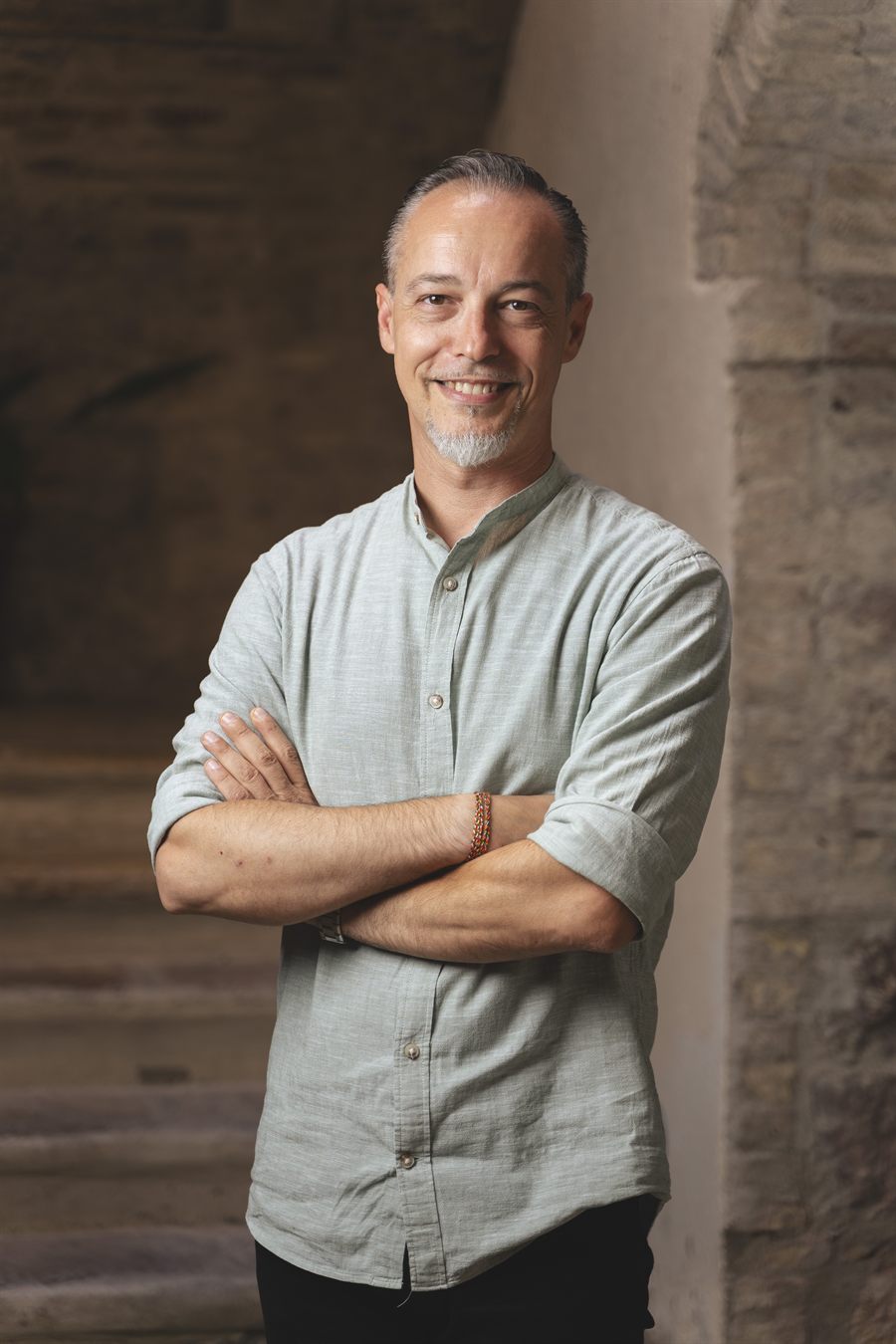
Daniele Palloni
Administration & Student Services
Biography+
Biography coming soon.